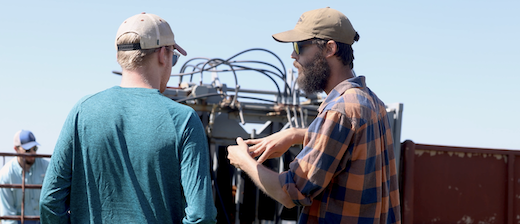
Scientists and Extension professionals engage with diverse audiences daily, from faculty and producers to conservation professionals and consumers. Identifying your audience’s needs and interests before creating your message ensures effective communication, stronger trust, and a clearer understanding of research outcomes.
Below are tips and resources for communicating with the audiences you intend to reach with your science.
Use detailed methodologies and theoretical frameworks
Emphasize rigor and contribution to previous research
Support arguments with data, analysis, discussion, and implications
Share findings through academic journals, conferences, and seminars
Keep messages short, practical, and grounded in real-world topics
Focus on what research findings means for the producer’s operation
Use clear visuals (photos, maps, diagrams) to show applied outcomes
Share science-based, applied recommendations through trusted local and regional channels, such as county Extension newsletter, rangeland associations and organizations, producer groups, etc.
Simplify complex ideas and highlight their relevance to typical lifestyles
Use blogs, social media posts, podcasts, and public talks to reach broader audiences
Tell human-centered stories that connect to people
Avoid academic jargon. Focus on clear explanations and real-world impact
Present concise, newsworthy messages that emphasize the significance of your work
Use press releases, interviews, and opinion pieces to share research
Prepare key talking points and anticipate common questions
Provide strong data and examples to back up your main points
Focus on shared goals, mutual benefits, and real-world outcomes
Communicate through reports, workshops, and stakeholder meetings
Use clear visuals and summaries to convey findings
Build relationships based on transparency, trust, and collaboration