Alumni Spotlight
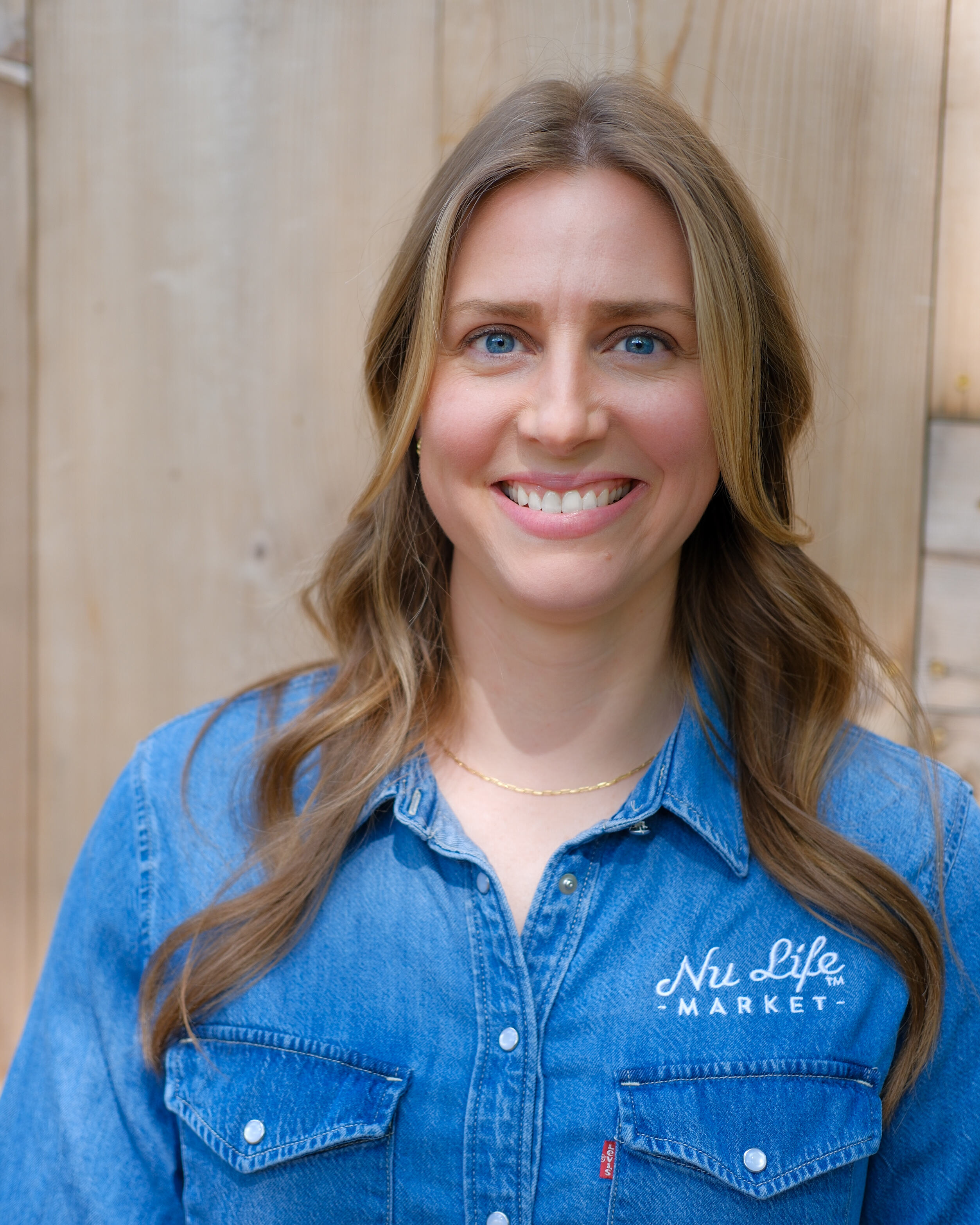
Name: Rachel Klataske
Current Title: Senior Director of Business Development
Organization: Nu Life Market
Major: B.S. Bakery Science and Management '07
K-State College of Ag is proud to recognize alumni from all departments who continue to pursue their passion in their respective fields. It is through experience that we continue to grow as individuals and stewards of the industry. Through those experiences, we hope to be a continued resource for the next generation of K-State students to lean on for advice and continue to build our network!
Why did you choose K-State and bakery science?
I grew up in Manhattan. My dad and grandpa were K-Staters, so I’m the third generation. With bakery science, one of the things I often get asked is, “How did you find this major?” For me, it was in the family. My dad was a bakery science major and spent his whole career in the baking industry, so I was inspired to get the same degree. My dad also encouraged me that it would be the perfect combination of hands-on science and business, which were two of my interests.
What was one of your favorite things about your major?
I fell in love with bakery science. I never changed my major. That speaks to the feeling of K-State and the Department of Grain and Food Science; I just knew it was the right place. There was a small cohort of students that you went through every class and graduated together with. I’ve stayed in touch with everyone I graduated with, which might be uncommon with larger majors. It was just a family feeling from the start, and a feeling that you’re going to have an amazing experience for four years.
How do you stay connected with K-State?
I’m involved in three organizations. I’m the membership chair for the Kansas City Section of the Institute of Food Technologists, am a member of the American Society of Baking and serve on the External Advisory Board for the Grain and Food Science Department. All of these professional organizations have strong ties to the students and K-State. Recently, I got to visit the Bakery Science Club with the Institute of Food Technologists to talk with students about being student members and how to leverage the organization, both as a student and once they enter the industry.
Why are internships important for students?
This is something I love to talk about with current students. Did they like their internship or did they hate it? It’s okay if you didn’t like it, because that’s an important learning experience, too. In the food and grain industries, there are so many different career paths that they create very different internship experiences. The good thing about this is that you can easily figure out what makes you tick, what you love to do, and slide yourself into that part of the industry. Hands-on internships are the best way to figure that out.
What does a day in your life look like?
I work remotely from Manhattan. Our processing facility is in Scott City, Kansas, about four hours away. A typical day involves a lot of Teams calls with coworkers and customers. I really value face time with current and potential customers.
I get to travel a fair amount as well. I get to visit trade shows, which could be ingredient-focused or retail-brand focused. I might have a booth representing Nu Life Market and teach people about sorghum, or I might walk the trade show to see customers and talk about the products they’re making with sorghum.
What's it ben like to see the rise of sorghum?
It’s been really fun to have grown up in Kansas, attend K-State and now work for a Kansas-based ingredient company that’s promoting this very true-Kansas grain. Ten years ago, sorghum was just thought of as gluten-free and non-GMO. About five years ago, the sustainability aspect of it really started pushing to the forefront. The food industry is an ever-shifting place, but smaller companies really latched on to the traceability and transparency, too. Where is my food coming from? Where are my ingredients coming from? The fact that sorghum is a domestically sourced crop and farmers are growing it using sustainable farming practices makes it a very attractive ingredient for companies. I think we’re really at a tipping point. After 10 years, I can really feel the momentum building.