Rannells Ranch Newsletter
Fall 2026 Edition
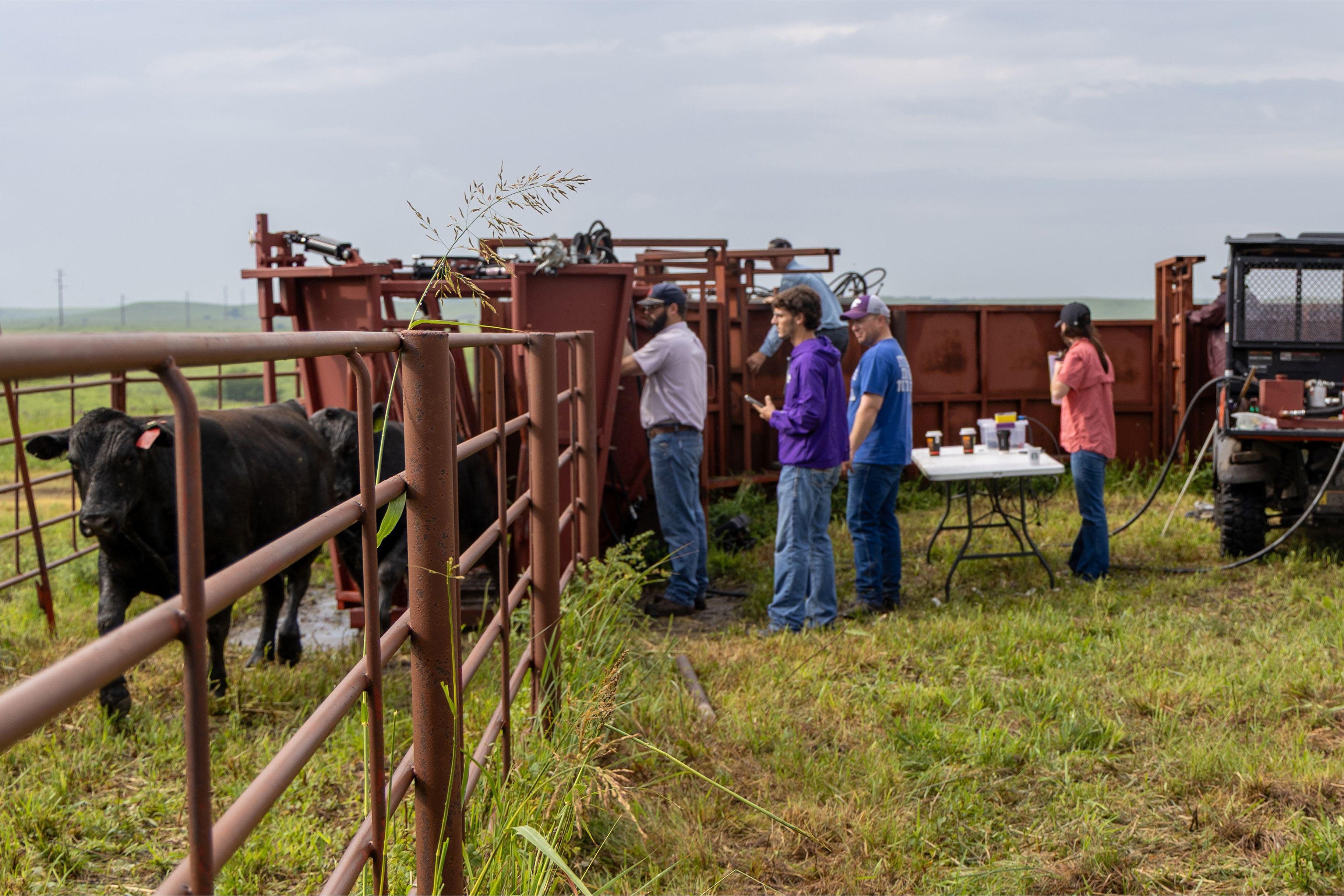
Grazing Season in Review: What’s Happening at Rannells Ranch
Summer grazing has wrapped up and nowit’s time to reflect on what we learned this season. This summer included four completed cattle trials, GPS tracking of steers using specialized ear tags, new insights into energy requirements, and graduate student research aimed at better understanding how Rannells Ranch can support Flint Hills producers.
Read the full update>
Skills on the Range: Immersive Grassland Learning Experiences for Students 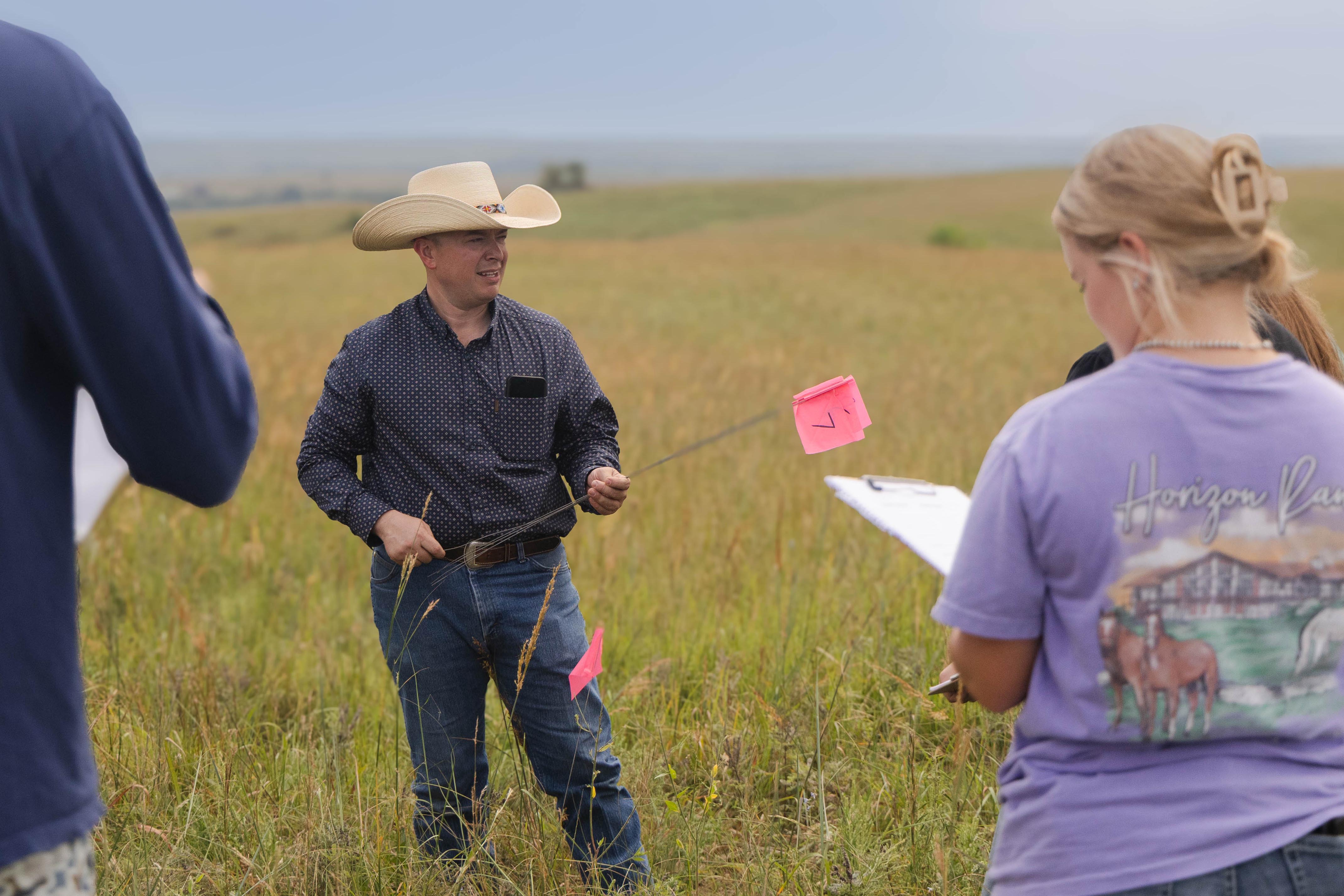
The classroom looks different when it stretches across a Flint Hills pasture. Colin Tobin brings students into a living laboratory at Rannells Ranch. Through Range Grasses and Grassland Monitoring and Assessment courses, students develop the skills to identify plants, assess grassland conditions, and connect what they learn to land management decisions.
Read the full story >
Capturing Change in the Flint Hills: Time-Lapse Photography Offers a New View of Prescribed Burning 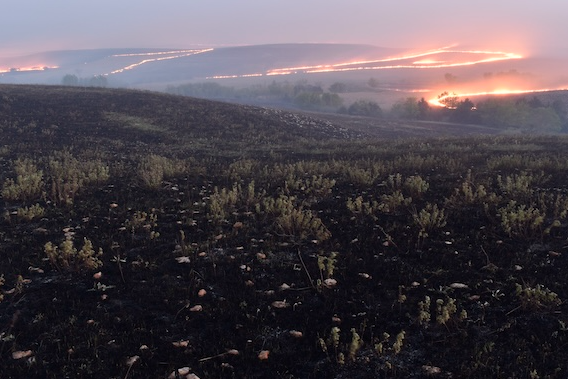
From pre-burn conditions to post-fire recovery, time-lapse photography is offering a new view of prescribed burning in the tallgrass prairie. Katie Starzec is using a time-lapse camera at Rannells Ranch to document the landscape changes during a prescribed fire, helping to reveal patterns in grazing, vegetation, fire, which may otherwise go unnoticed. Read the full story >
When Fire Isn't Enough: How Goats Can Help Control Cedars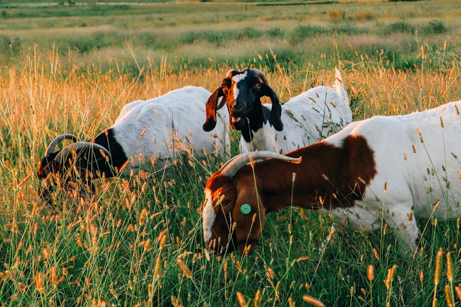
Red cedar encroachment continues to challenge tallgrass prairie. Where burning is limited, mixed-species grazing may offer producers another economical tool for managing woody encroachment. Goats can complement existing systems by browsing cedar and other woody vegetation, helping producers target areas where cattle grazing and fire may not be enough. Read the full story >